
Ai Content Generator
Ai Picture
Tell Your Story

 Adam dental supplies
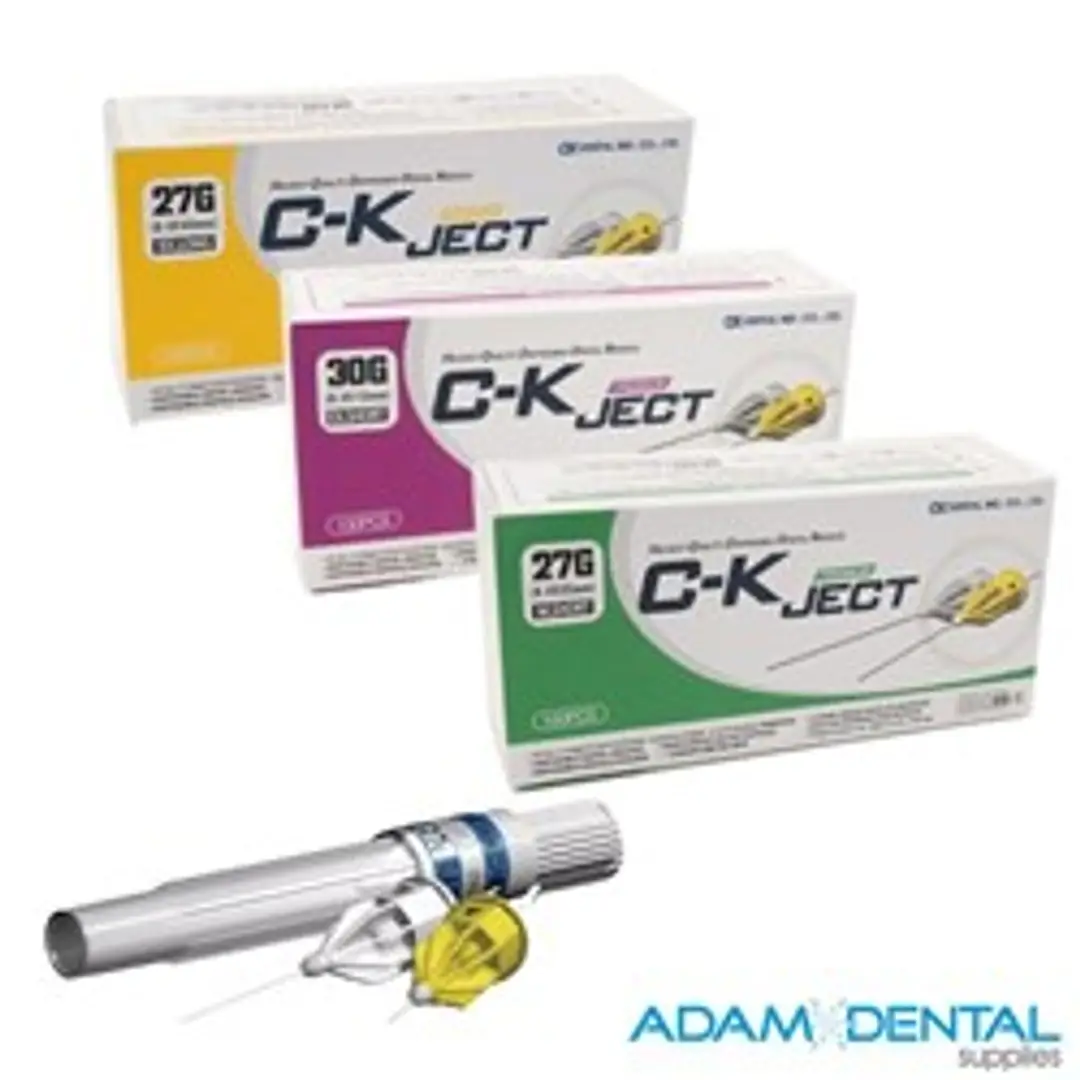
Dental Needles - Threading Comfort Through Oral Care Procedures!
Dental care has advanced significantly over the decades, with innovations focused on reducing pain, improving accuracy, and enhancing patient comfort. Among the essential tools used in dentistry, dental needles play a crucial role in
ensuring effective anaesthesia delivery. While small in size, they are precision instruments that help dentists perform complex oral procedures with minimal discomfort to patients. Their design, material, and usage are carefully optimised to provide both safety and efficiency in clinical settings.
Importance of Dental Needles in Dentistry
Dental needles are primarily used to administer local anaesthesia before procedures such as tooth extractions, fillings, root canals, or periodontal treatments. The effectiveness of anaesthesia relies heavily on the needle’s precision in delivering the anaesthetic to targeted nerves. Properly designed needles allow for controlled penetration, reducing tissue trauma and making the experience more comfortable for patients.
Types and Design Features
Dental needles come in various lengths and gauges to suit different procedures. Short needles are often used for infiltrations in the upper jaw, while longer ones are suited for nerve blocks in the lower jaw. The gauge refers to the diameter of the needle; finer gauges minimise pain during insertion, while larger ones are better for certain deeper injections. Additionally, the bevel - the angled tip - ensures smoother entry into tissues, reducing resistance and discomfort.
Manufacturers design dental needles with precision
engineering, ensuring they remain sharp, flexible, and safe. Many modern versions feature siliconized coatings, which allow for smoother penetration and less tissue irritation. Safety mechanisms are also being integrated to minimise accidental needle-stick injuries.
Patient Comfort and Safety
For patients, the idea of injections can trigger anxiety. However, advances in dental needles have significantly improved comfort levels. Thin-walled needles, combined with skilled injection techniques, reduce the sensation of pressure and pain. Dentists are also trained to administer anaesthetics slowly and gently, which enhances the effectiveness while minimising discomfort.
On the safety side, sterile, single-use needles are the standard, preventing cross-contamination and ensuring hygienic practice. Their packaging and labelling are designed to maintain integrity until the moment of use.
Role in Modern Dentistry
As dental treatments continue to evolve, the role of dental needles remains indispensable. Whether for minor restorative procedures or complex oral surgeries, they enable precise anaesthetic delivery that directly impacts treatment outcomes and patient satisfaction. Their continued refinement highlights dentistry’s focus on merging technical precision with patient-centred care.
Bottom-Line
Though often overlooked, dental needles are vital instruments in oral healthcare. Their design combines science and patient comfort, making challenging dental procedures more tolerable.
Related Posts
© 2025 Invastor. All Rights Reserved
User Comments