
Ai Content Generator
Ai Picture
Tell Your Story

 Adam dental supplies
Sterilisation Solutions: A Guide to the Autoclave Bag
In laboratories, hospitals, and research facilities, maintaining cleanliness and safety is not just a matter of preference but a strict requirement. Contamination can compromise results, spread infections, and put people at risk. One essential tool in achieving sterility and safe waste disposal is the autoclave bag. These specialised bags are designed to withstand high temperatures and pressure inside autoclaves, ensuring that materials are effectively sterilised before disposal or reuse. While they may seem like simple containers, autoclave bags play a critical role in biosafety protocols and environmental health.
Autoclave bags are made from heat-resistant polymers, usually polypropylene or polyethylene blends, capable of tolerating the extreme conditions inside an autoclave. During sterilisation, temperatures can reach up to 121°C or higher, combined with pressurised steam. Regular plastic bags would melt or tear under such conditions, but autoclave bags maintain their integrity, preventing hazardous material from leaking out. This makes them indispensable in any setting where biological waste or contaminated instruments must be sterilised before disposal.
Colour coding is another vital feature of autoclave bags. Most facilities use red, yellow, or clear bags to distinguish between different categories of waste. For example, red bags are often designated for biohazardous material, while yellow may indicate infectious waste, and clear bags are used for general sterilisation purposes. This system minimises errors and ensures that staff handle each type of waste correctly. The colours also serve as an immediate warning, alerting anyone who comes into contact with the bags about their contents.
The use of autoclave bags goes beyond hospitals and labs. Educational institutions with biology or chemistry departments rely on them for safe classroom practices. Pharmaceutical companies also use them to manage the waste generated during drug testing and development. Even veterinary clinics use autoclave bags to sterilise instruments and safely dispose of biological matter. Their versatility highlights their importance across many industries that prioritise hygiene and safety.
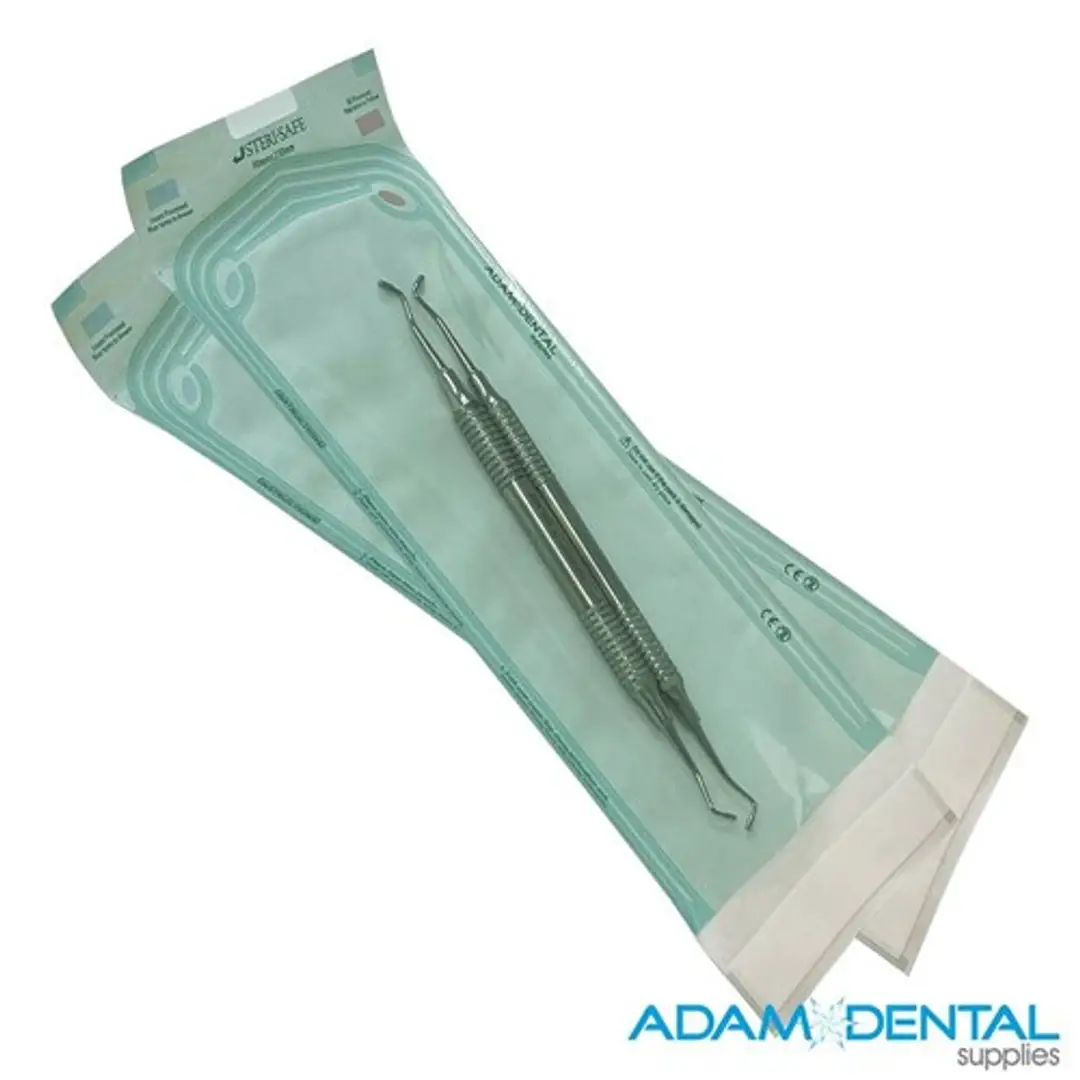
In addition to their heat resistance, autoclave bags are often designed with added features for safety and convenience. Some include built-in steam indicators that change colour once the sterilisation process is complete, providing visual confirmation that the bag and its contents have been treated. Others are vented to allow steam penetration, which improves sterilisation efficiency. These small but significant details enhance both the effectiveness and reliability of the sterilisation process.
Proper usage of autoclave bags is essential to ensure they perform as intended. Overfilling the bags can prevent proper sterilisation, while underfilling may waste resources. Bags should be sealed securely, either with ties or autoclave tape, which also acts as a sterilisation indicator. Furthermore, it is important to choose the right bag size for the load to avoid ruptures or incomplete sterilisation. Training staff on correct usage procedures helps maintain consistency and prevents accidents that could compromise safety.
Environmental responsibility is another reason autoclave bags are widely used. By ensuring that contaminated waste is sterilised before disposal, these bags help prevent the spread of pathogens into landfills and waterways. Some manufacturers are now producing eco-friendly autoclave bags made from biodegradable polymers, providing the same high performance while reducing environmental impact. This sustainable approach reflects the growing commitment of the healthcare and research industries to both human and ecological health.
The procurement of autoclave bags should always prioritise quality and compliance with safety standards. Inferior products may fail under pressure, creating unnecessary hazards. Trusted suppliers provide bags that meet international standards, ensuring reliability in critical environments. Facilities often choose suppliers that offer a range of sizes, colours, and indicator options to meet specific operational needs. Investing in high-quality autoclave bags is an investment in safety, efficiency, and peace of mind.
Finally, autoclave bags may appear simple, but they are vital tools in the fight against contamination and infection. By withstanding extreme sterilisation conditions, providing clear labelling systems, and offering features that enhance safety, they support essential practices in healthcare, education, and research.
Related Posts
© 2025 Invastor. All Rights Reserved
User Comments