
Ai Content Generator
Ai Picture
Tell Your Story

 Tony Ngari
How far along are we with the supposed AI bubble?
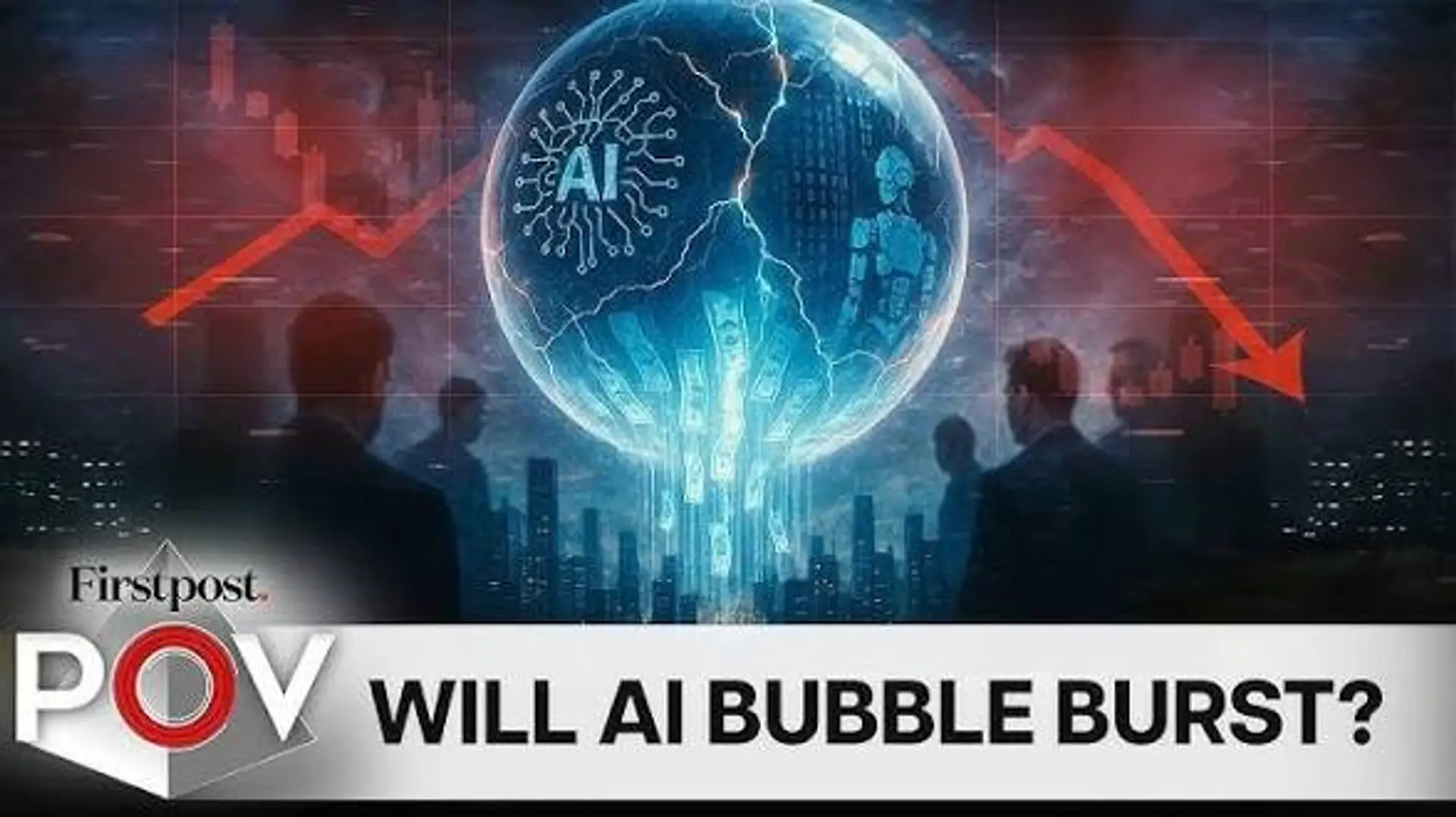
The concept of an "AI bubble" refers to the idea that the current enthusiasm and investment in artificial intelligence technologies may be based on inflated expectations rather than the actual capabilities and potential of these technologies. As of now, we are witnessing a complex landscape in the AI industry, characterized by both remarkable advancements and signs of potential overvaluation.
Current State of AI Development
AI has made significant strides in various fields, including natural language processing, computer vision, and robotics. For example, models like OpenAI's GPT-4 have shown impressive capabilities in generating human-like text, while NVIDIA's AI solutions have advanced image recognition and generation technologies. These developments have opened new avenues for applications in healthcare, finance, and entertainment.
Investment and Valuation Trends
Investment in AI startups has surged in recent years. According to Boston Consulting Group, global AI funding reached approximately $93 billion in 2021, representing a significant increase from previous years. This influx of capital has led to skyrocketing valuations for many AI companies. For instance, OpenAI was valued at $29 billion in early 2023, reflecting the high expectations investors have for AI technologies.
However, there are concerns that some of these valuations may not be sustainable. Many startups are still in the experimental phases of development, and their business models have yet to prove long-term viability. This situation raises questions about whether we are in a bubble similar to the dot-com bubble of the late 1990s, where many companies failed to deliver on their promises.
Signs of a Bubble
Several indicators suggest we might be experiencing an AI bubble:
- Overhyped Expectations: Media coverage often emphasizes the transformative potential of AI without adequately addressing the challenges and limitations. For example, while AI can assist in diagnosing diseases, it is not a replacement for human expertise and can introduce biases if not properly managed.
- Market Corrections: In early 2022, the tech industry faced a downturn, leading to a decrease in AI startup valuations and funding. This correction may indicate that the market is reassessing the sustainability of AI investments.
- Talent Wars: Companies are aggressively competing for AI talent, driving salaries to unprecedented levels. This talent war may be unsustainable in the long run, leading to potential layoffs and a re-evaluation of AI project scopes.
Examples of AI Applications and Their Impact
Despite concerns, many organizations are successfully integrating AI into their operations:
- Healthcare: AI technologies are being used to analyze medical images and predict patient outcomes. For example, IBM Watson Health has been employed to assist in cancer diagnosis and treatment recommendations.
- Finance: AI algorithms are enhancing fraud detection and risk management. Companies like ZestFinance use machine learning to improve credit scoring models.
- Transportation: Autonomous vehicles, developed by companies such as Tesla, rely heavily on AI for navigation and safety features.
Conclusion
In conclusion, while there are significant advancements in AI technology and its applications, the potential for an AI bubble exists due to inflated valuations, overhyped expectations, and market corrections. It is essential for investors and stakeholders to critically evaluate the sustainability of AI ventures and focus on long-term viability, rather than short-term hype. As the industry matures, a more balanced perspective on AI's capabilities and limitations will be crucial for its continued growth and integration into various sectors.
Related Posts
© 2025 Invastor. All Rights Reserved
User Comments