
Ai Content Generator
Ai Picture
Tell Your Story

 Tony Ngari
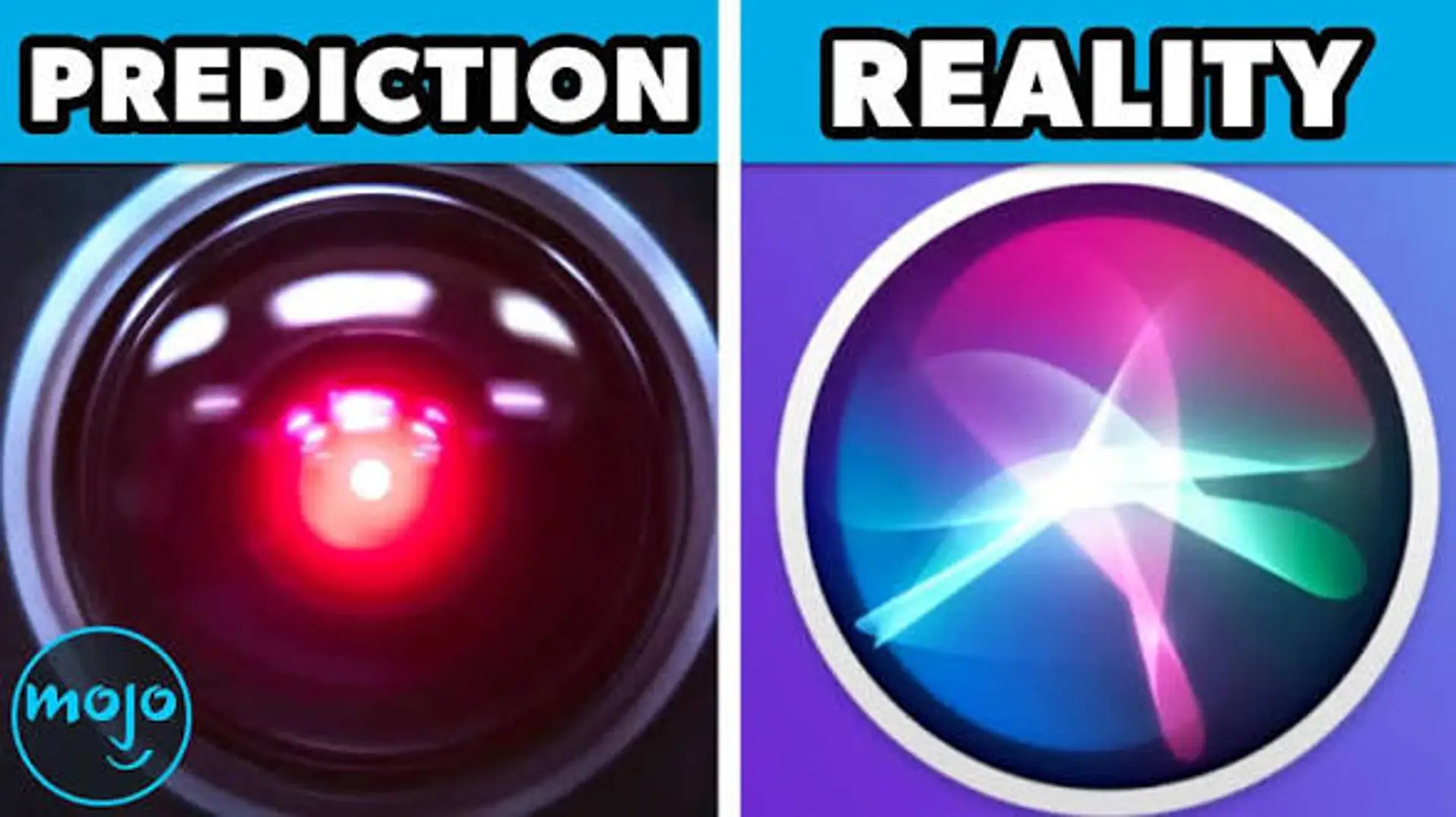
Predictions versus reality.
The concept of predictions versus reality is a fascinating exploration of how forecasts about the future often differ from what actually transpires. This discrepancy can be observed across various fields, including technology, economics, environmental studies, and social dynamics. Below, we delve into several examples that illustrate the divergence between what was predicted and what ultimately occurred.
Technological Predictions
One of the most prominent areas where predictions have often missed the mark is technology. For instance, in the early 2000s, many experts predicted that by 2010, we would be living in a world dominated by flying cars and personal robots. Forbes highlighted that while advancements in technology have been remarkable, the reality is that we are still far from these predictions. Instead, we have seen the proliferation of smartphones, social media, and artificial intelligence, which reshaped our lives in unexpected ways.
Example: The Internet of Things (IoT)
In the 1990s, experts predicted that by 2020, there would be billions of interconnected devices through the Internet of Things. While the number of connected devices did reach impressive levels, the reality of IoT has been more complex. Security issues and interoperability challenges have hindered widespread adoption. As reported by Statista, there were approximately 30 billion IoT devices in use by 2020, but the anticipated seamless integration and user experience have yet to fully materialize.
Economic Predictions
Economic forecasts are another area where predictions often diverge from reality. Economists frequently use models to predict economic growth, inflation rates, and employment trends. For example, in 2020, many economists predicted a quick recovery from the initial shock of the COVID-19 pandemic. However, the reality has been much more complicated, with ongoing supply chain disruptions and labor shortages affecting recovery timelines.
Example: The 2008 Financial Crisis
Before the 2008 financial crisis, many analysts predicted that the housing market would continue to grow. Institutions like McKinsey & Company noted that the failure to foresee the impending crisis led to widespread economic turmoil. The reality was a severe recession that reshaped financial regulations and consumer behavior.
Environmental Predictions
Predictions about climate change have also faced scrutiny. In the 1980s, scientists warned that significant climate impacts would be felt by the year 2000. While some impacts were indeed observed, such as increased temperatures and extreme weather events, the full extent of climate change effects has taken longer to manifest than initially anticipated.
Example: The IPCC Reports
The Intergovernmental Panel on Climate Change (IPCC) has released several reports detailing predictions about climate impacts. For instance, their early models suggested that we would see more drastic changes by the turn of the century. While some regions have experienced severe climate effects, the global response and adaptation strategies have evolved, allowing for some mitigation of the predicted impacts.
Social Dynamics
Social predictions, particularly regarding demographic changes and cultural shifts, also illustrate the gap between predictions and reality. Experts often forecast trends in population growth, urbanization, and migration patterns.
Example: Aging Population
Demographers predicted a significant increase in the aging population, particularly in developed countries. While this has largely come to pass, the social and economic implications have been more complex than anticipated. The World Health Organization notes that aging populations have led to increased healthcare costs and shifts in labor markets, but the extent and nature of these changes have varied widely between countries.
Conclusion
In conclusion, the gap between predictions and reality is a recurring theme across multiple domains. While predictions can provide valuable insights and frameworks for understanding potential futures, they often fail to account for unforeseen variables, complexities, and human behaviors. As we continue to make predictions about the future, it is essential to approach them with a degree of caution and an understanding of their inherent uncertainties.
Related Posts
© 2025 Invastor. All Rights Reserved
User Comments