
Ai Content Generator
Ai Picture
Tell Your Story

 Health Lab
Can Peptides Lighten Dark Spots or Pigmentation? What People Commonly Use & How They’re Described to Work
Can Peptides Lighten Dark Spots or Pigmentation? What People Commonly Use & How They’re Described to Work
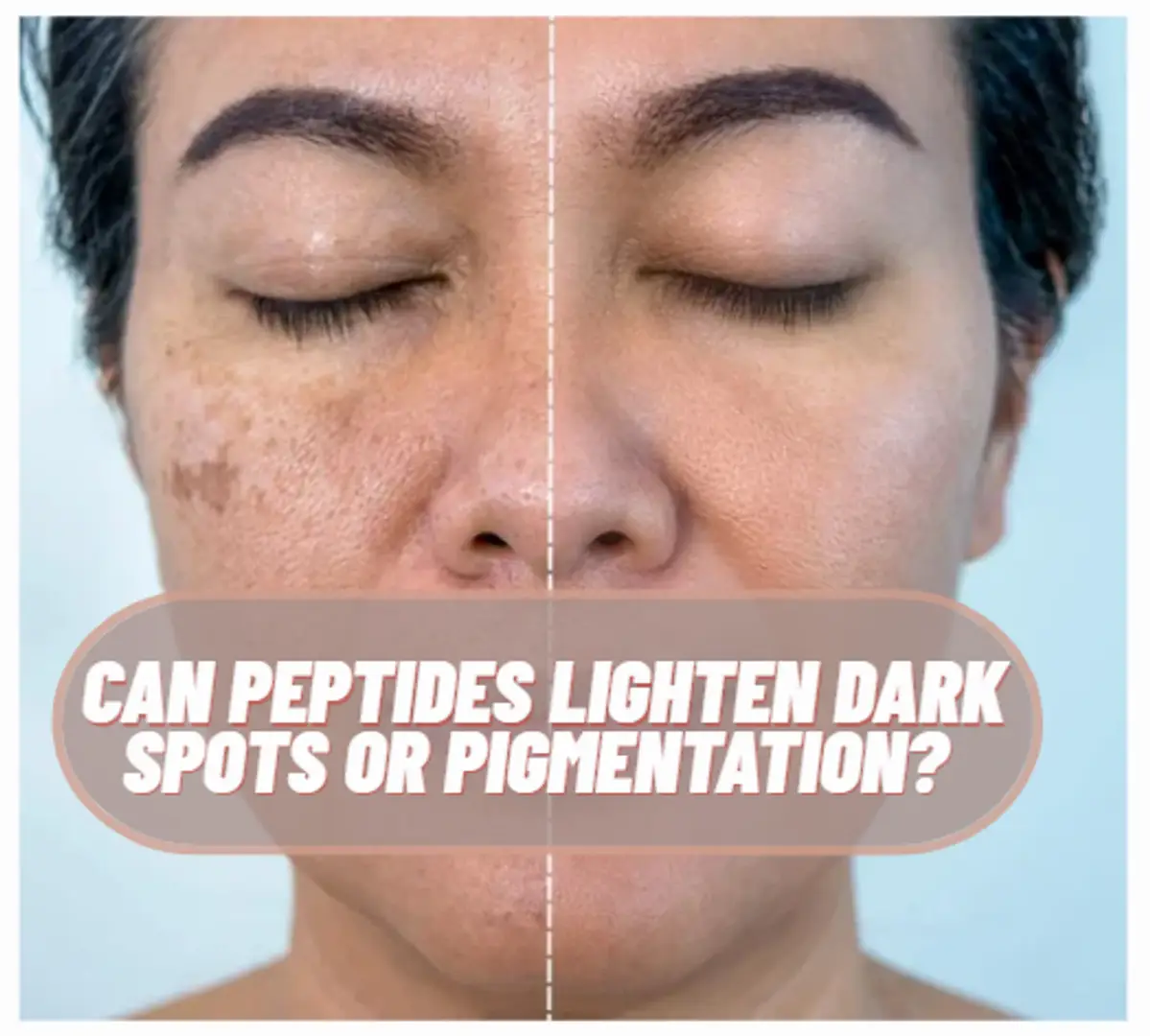
Peptides are increasingly discussed in skincare communities for their potential to support even skin tone, reduce hyperpigmentation, and improve overall skin brightness. While they are not miracle cures, certain peptides are commonly referenced for helping lighten dark spots and promote smoother, more radiant skin.
This article explains which peptides are often used for pigmentation, how they are described to work, and the outcomes people usually aim for.
What Are Skin-Brightening Peptides?
Skin-brightening peptides are compounds frequently mentioned for their potential to influence:
- Melanin production and regulation
- Collagen synthesis
- Skin repair and regeneration
- Reducing inflammation that can worsen dark spots
- Evening out skin tone and texture
They are appealing because they target the biological processes underlying hyperpigmentation, rather than just masking discoloration.
How Peptides Are Commonly Described to Lighten Dark Spots
1.Melanostatine-5 – Melanin Regulation
Melanostatine-5 is widely discussed for its potential to inhibit excess melanin production, which can help reduce dark spots.
People commonly use it for:
- Lightening hyperpigmentation
- Evening skin tone
- Supporting brighter, more radiant skin
- Reducing melasma or sun-induced spots
It is often included in serums or creams designed for pigmentation control.
2.Acetyl Tetrapeptide-2 – Skin Repair & Brightening
Acetyl Tetrapeptide-2 is frequently mentioned for its repairing and protective properties, which may indirectly support pigmentation improvement.
Commonly described benefits include:
- Reducing inflammation that can trigger discoloration
- Supporting even skin tone
- Improving skin resilience and repair
- Complementing other brightening peptides
It is often paired with antioxidants for enhanced results.
3.Oligopeptide-68 – Pigmentation Support
Oligopeptide-68 is discussed for its potential role in regulating melanin production and protecting against pigmentation triggers.
People often describe benefits such as:
- Lighter dark spots over time
- Smoother, more even skin
- Supporting skin’s natural tone
- Reducing visible sun spots or age spots
It is commonly included in advanced brightening serums.
4.Copper Peptides – Skin Renewal
Copper peptides, while best known for repair and anti-aging, are sometimes referenced for their ability to support skin regeneration, which can indirectly improve uneven pigmentation.
People often use them for:
- Promoting new skin growth
- Supporting reduction of discoloration
- Enhancing skin texture
- Complementing melanin-targeting peptides
5.Tripeptide-1 – Collagen & Tone Support
Tripeptide-1 is sometimes discussed for its skin-repairing and collagen-supporting properties, which may contribute to a more uniform skin tone.
People describe benefits such as:
- Improving skin firmness and brightness
- Reducing visible dark patches
- Enhancing overall radiance and texture
It is often paired with other brightening peptides in topical formulations.
Why People Turn to Peptides for Pigmentation
Individuals commonly explore peptides when aiming for:
- Lighter dark spots or hyperpigmentation
- More even skin tone and texture
- Support for skin repair and collagen production
- A non-invasive approach to pigmentation management
- Complementary effects to sunscreens or topical brighteners
Peptides are often described as supportive tools that enhance the skin’s natural tone-regulating and repair processes.
Lifestyle Synergy
People who focus on pigmentation improvement often pair peptides with:
- Daily broad-spectrum sunscreen to prevent new dark spots
- Antioxidant-rich diet (vitamins C, E, and polyphenols)
- Gentle exfoliation to remove dead skin cells
- Hydration and moisturizing for healthy skin barrier
- Avoiding picking at blemishes or scars
These habits help maximize the visible benefits of peptides for pigmentation.
Key Takeaways People Discuss
- Peptides like Melanostatine-5, Acetyl Tetrapeptide-2, Oligopeptide-68, Copper Peptides, and Tripeptide-1 are frequently referenced for pigmentation support.
- They are commonly described as regulating melanin, supporting skin repair, and evening skin tone.
- Many people combine peptides with lifestyle habits and topical routines for best results.
- Visible improvements usually require consistent use over several weeks to months.
⚠️ Disclaimer
This article is for educational and informational purposes only.
InVastor.com may list products supplied by third-party vendors, but we do not manufacture, test, store, ship, or fulfill any referenced items.
We do not provide medical, scientific, or usage guidance. Product information is seller-provided and not verified by InVastor.
All materials are presumed for lawful laboratory research only and are not approved for human or animal consumption.
Always consult licensed professionals before making decisions involving peptides or skin pigmentation treatments.
Related Posts
© 2025 Invastor. All Rights Reserved
User Comments