
Ai Content Generator
Ai Picture
Tell Your Story

 Tony Ngari
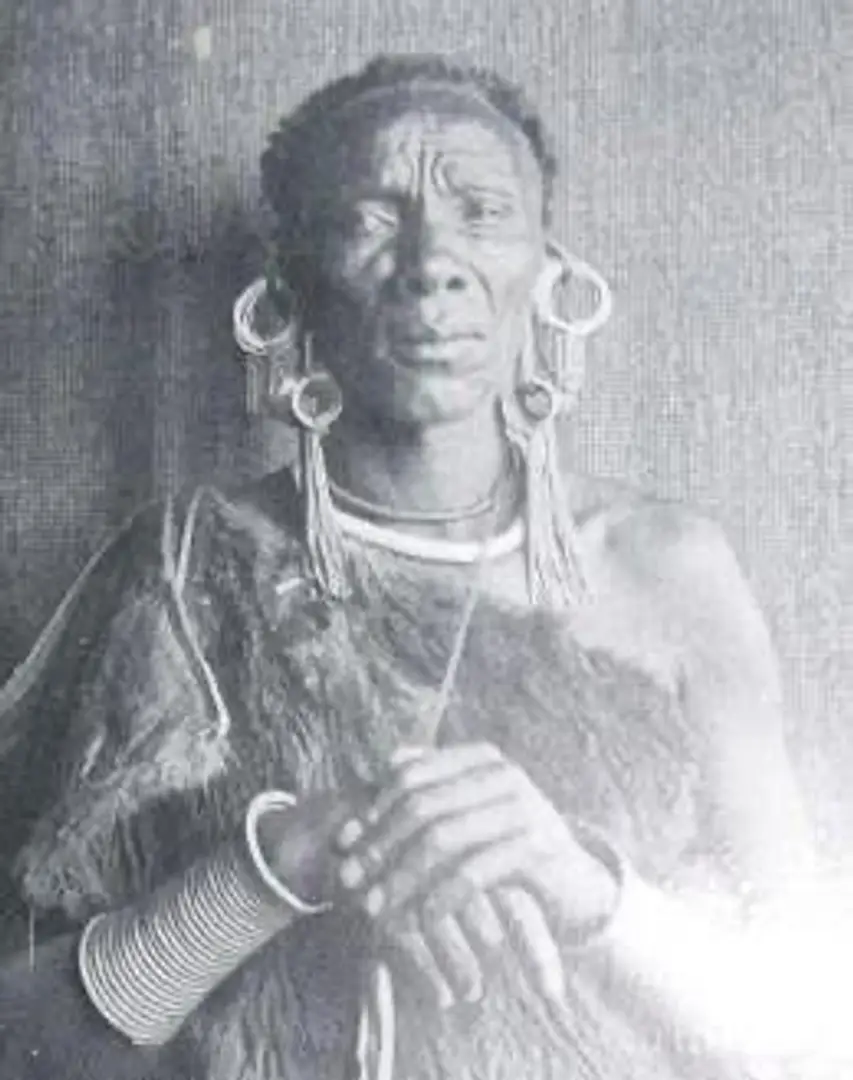
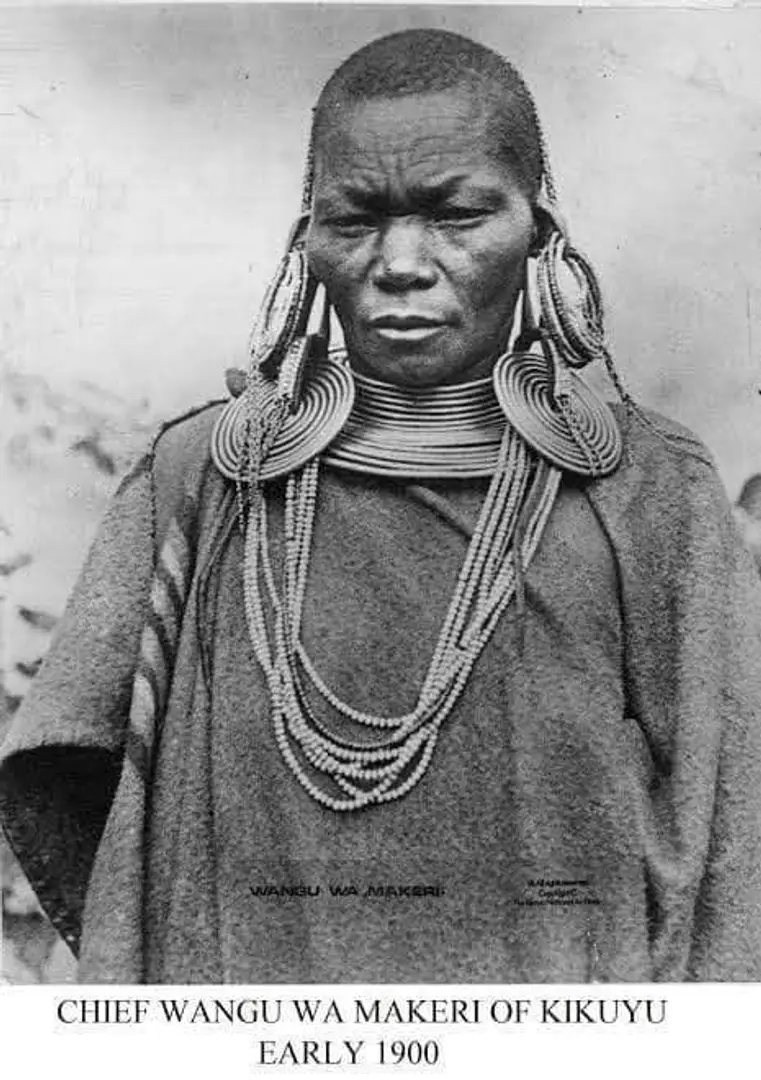
Wangu wa Makeri.
How did Wangu wa Makeri (Pictured) become a fearless Woman Headman of the Agikuyu??
Wangu wa Makeri entered into a relationship with the paramount chief of Fort Hall (present-day Murang’a), Karuri wa Gakure(despite being married to Makeri wa Mbogo and having6 children), who had 60 wives and stayed with her family whenever he stopped by their village. When her husband learnt about the relationship, he was offered the position of headman by Karuri in an attempt to appease him, but he declined. The position was then offered to Wangu, who accepted it in 1902. This position of headman was reserved for men, and Wangu became the first and only female leader of the Agikuyu during the British Colonial period.
The previous year(1901), the railway construction had reached Kisumu, and the British redrew East Africa’s boundaries. The British began a taxation system for its new subjects to fund these initiatives. Paramount chiefs like Karuri were appointed to help collect the money, and headmen such as Wangu assisted them by acting as the grassroots agents in the administrative structure.
Wangu’s tasks as headman involved collecting taxes, brokering peace in the community and communicating the colonial rules to the people. She was considered harsh and authoritarian in how she intimidated tax evaders and subjected them to solitary confinement. Wangu always sat on the back of her offenders while they knelt before her in submission, suffering ridicule and humiliation from their neighbours.
Her downfall came when she joined men in a dance called kibata naked, which was reserved for men and not even moving near the male dancers was allowed. It is alleged that when Wangu saw Karuri wa Gakuri dancing, she stood up, flung herself on the dance floor and began to dance vigorously, exposing herself and thighs. Her dishonourable dance soon became a subject of discussion among the people she ruled, and in June 1909, Wangu was forced to resign.
Even though many view her as a ruthless leader, Wangu is celebrated for fighting for and earning her respect in a male-dominated society and proving that women can be leaders.
Wangu wa Makeri is a prominent figure in Kenyan folklore, celebrated for her wit, beauty, and strength. She is often depicted as a woman who defied social norms and expectations of her time, embodying the spirit of resilience and empowerment. Wangu's story is deeply rooted in the Kikuyu culture, and it serves as a reflection of the struggles and triumphs faced by women in a patriarchal society.
According to legend, Wangu wa Makeri was born into a noble family in the central highlands of Kenya. Her father, a chief, ensured she received an education, which was uncommon for women at that time. This education not only made her intelligent but also equipped her with the skills to navigate the complexities of her society.
One of the most famous tales about Wangu involves her marriage to a powerful chief. Despite her husband's high status, Wangu was not content to be merely a passive partner. She actively participated in decision-making processes and used her intelligence to influence her husband's rule. Her ability to strategize and negotiate made her a key advisor, and she was respected by both men and women in her community.
Wangu's story also highlights the theme of love and loyalty. In one popular narrative, her husband was captured by a rival tribe, and Wangu embarked on a daring rescue mission. Disguised as a warrior, she infiltrated the enemy camp and successfully freed her husband. This act of bravery not only demonstrated her love but also her capability to challenge gender roles and expectations.
Furthermore, Wangu wa Makeri is often associated with the concept of ujamaa, which translates to communalism or the spirit of togetherness. She is said to have organized women in her community to support each other, share resources, and stand up against oppression. This aspect of her character resonates with contemporary movements advocating for women's rights and empowerment.
In modern Kenya, Wangu wa Makeri is celebrated in various forms of art, including literature, music, and theater. Her legacy continues to inspire many, particularly women who seek to break barriers and assert their rights. For instance, her story has been incorporated into school curricula, ensuring that future generations learn about her contributions and the importance of gender equality.
In conclusion, Wangu wa Makeri represents a powerful symbol of strength and resilience in Kenyan folklore. Her stories serve not only as entertainment but also as a source of inspiration for those advocating for women's rights and empowerment. By embodying the values of courage, intelligence, and communal support, Wangu's legacy endures, reminding us of the vital role women play in shaping society.
For further reading, you may explore the following references:
Related Posts
© 2025 Invastor. All Rights Reserved
User Comments