
Ai Content Generator
Ai Picture
Tell Your Story

 Tony Ngari
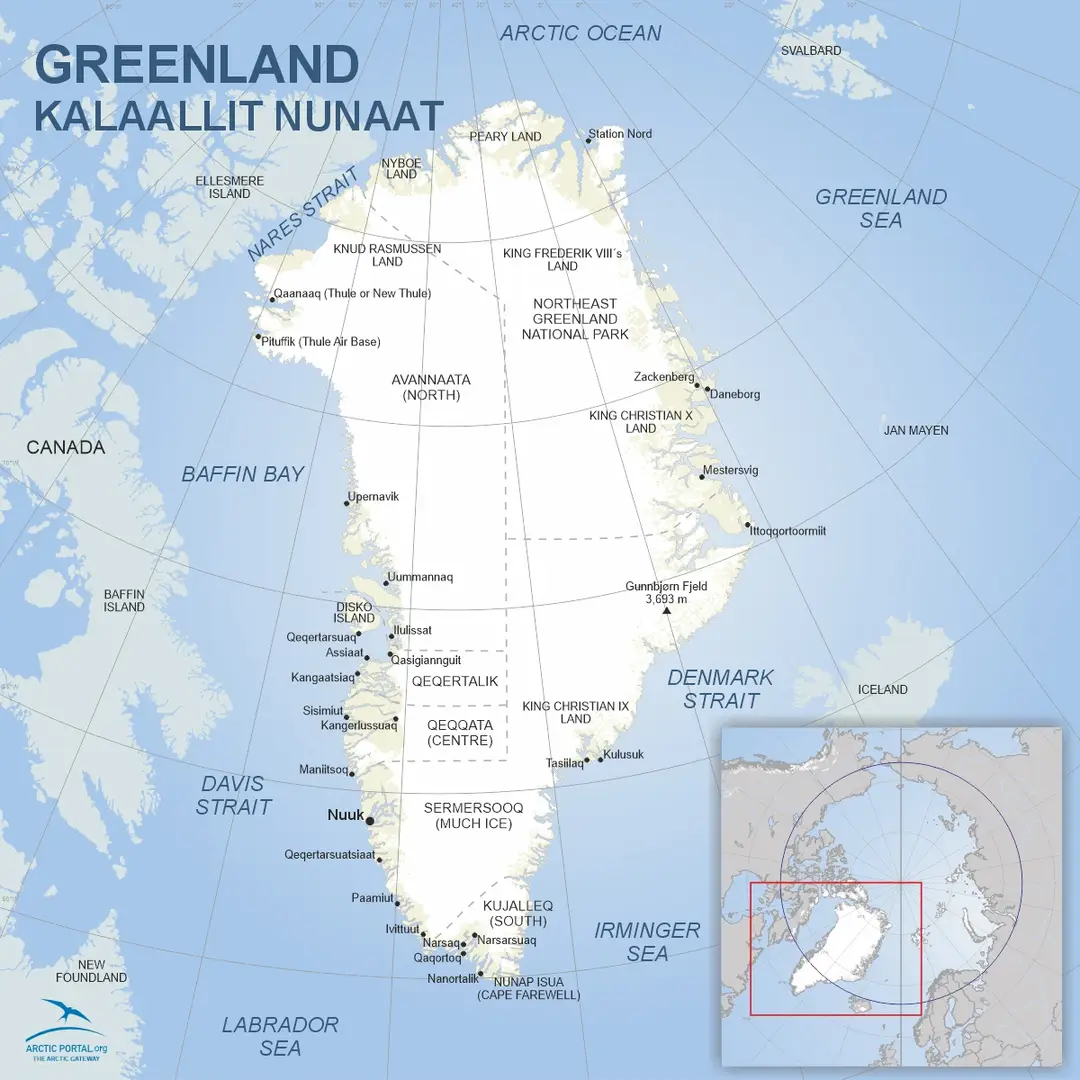
The world’s largest island ( Greenland).
Greenland is recognized as the world’s largest island, covering an area of approximately 2.166 million square kilometers (836,331 square miles). It is located between the Arctic and Atlantic Oceans, east of the Canadian Arctic Archipelago and west of Scandinavia. Despite its name, much of Greenland is covered by an ice sheet, which is the second largest body of ice in the world, after Antarctica.
The island is an autonomous territory within the Kingdom of Denmark, which means that while it has its own government and manages many of its domestic affairs, Denmark is responsible for its foreign affairs and defense. The capital city of Greenland is Nuuk, which is also the largest city on the island, with a population of around 18,000 inhabitants.
Geography and Climate
Greenland's geography is characterized by its vast ice sheet, rugged mountains, and deep fjords. The northern part of the island is largely uninhabited and consists of tundra and ice, while the southern regions have a more temperate climate, with some areas experiencing milder temperatures.
Due to its Arctic location, Greenland experiences long winters and short summers. The coastal areas see temperatures that can vary significantly, with winter temperatures often plunging below -30°C (-22°F) and summer temperatures reaching up to 15°C (59°F) in some regions.
Flora and Fauna
Despite its harsh climate, Greenland is home to a variety of wildlife. Some notable species include:
- Polar Bears: These iconic Arctic mammals are found along the coasts and are dependent on sea ice for hunting seals.
- Walruses: Often seen lounging on ice floes, walruses are another important species in Greenland’s marine ecosystem.
- Arctic Foxes: These small mammals are well adapted to the cold and can be found across various regions of the island.
- Migratory Birds: Greenland serves as a crucial breeding ground for many migratory bird species, including geese and seabirds.
Culture and Population
The population of Greenland is approximately 56,000 inhabitants, primarily of Inuit descent. The culture is rich in traditions, with a strong emphasis on hunting, fishing, and storytelling. The Greenlandic language, Kalaallisut, is widely spoken, and traditional music and dance play an important role in cultural expressions.
Greenlandic culture is also influenced by Danish and Norse traditions, particularly in the southern regions. Festivals, such as the annual Nuuk Snow Festival, celebrate local customs, showcasing music, art, and culinary traditions.
Economy
The economy of Greenland is primarily driven by fishing, which accounts for a significant portion of its exports. Other important sectors include mining and tourism. The discovery of mineral resources, such as rare earth elements and uranium, has sparked interest in mining operations. However, environmental concerns and the impact on indigenous communities are ongoing discussions regarding these developments.
Tourism has been growing, with visitors attracted to the stunning landscapes, glaciers, and opportunities for adventure activities, such as hiking, dog sledding, and whale watching.
Climate Change and Environmental Concerns
Greenland is significantly affected by climate change, with rising temperatures leading to accelerated melting of its ice sheet. This phenomenon contributes to global sea-level rise and poses threats to local ecosystems. Researchers are closely monitoring the changes and their implications for both Greenland and the rest of the world.
Conclusion
In summary, Greenland is not only the world’s largest island but also a place of stunning natural beauty, rich cultural heritage, and significant environmental challenges. Its unique geography and climate make it a vital area for understanding climate change and its global impacts.
For more detailed information, you can refer to resources from the Greenland tourism board and CIA World Factbook.
photo Creator and Credit: Notandi
Related Posts
© 2026 Invastor. All Rights Reserved
User Comments