
Ai Content Generator
Ai Picture
Tell Your Story

 Tony Ngari
Are the high precious metals prices a sign of hidden inflation?
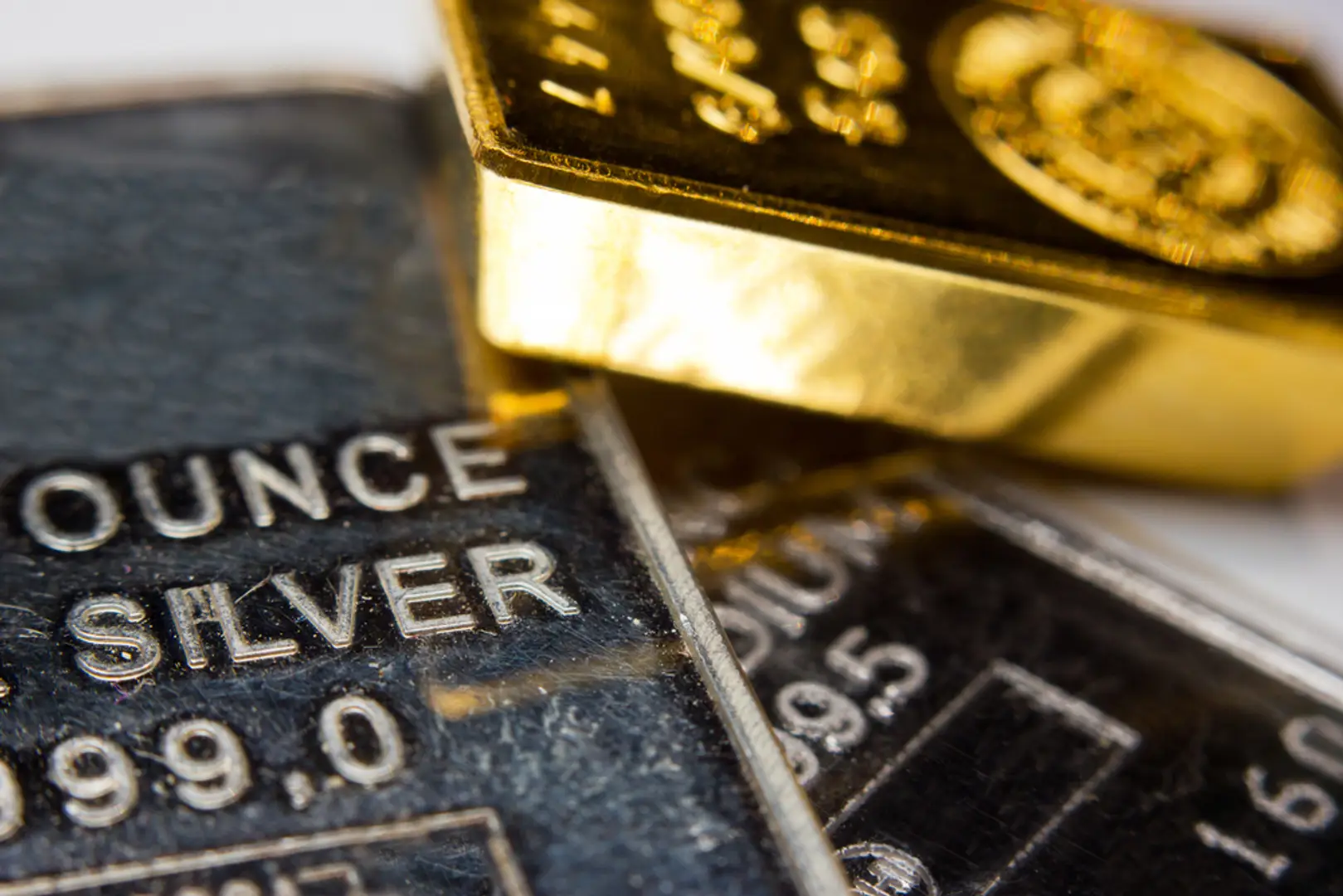
The rising prices of precious metals, such as gold and silver, often lead to speculation regarding their implications for inflation. While there is no definitive answer, several factors suggest that high prices for these metals could be indicative of underlying inflationary pressures in the economy.
Understanding Precious Metals as Inflation Hedges
Precious metals have historically been viewed as a hedge against inflation. When inflation rises, the purchasing power of currency decreases, prompting investors to seek tangible assets like gold and silver that tend to retain value. For instance, during the 1970s, a period marked by high inflation, gold prices surged from around $35 per ounce in 1971 to nearly $850 per ounce by 1980.
Current Trends and Economic Indicators
As of 2025, gold prices have been fluctuating around $4,600 per ounce up from $1,900 in 2023. Analysts suggest this rise can be attributed to various factors, including:
- Monetary Policy: Central banks have engaged in expansive monetary policies, including low interest rates and quantitative easing, which can devalue currency and lead to inflation. For example, the U.S. Federal Reserve's actions during the COVID-19 pandemic increased the money supply significantly.
- Supply Chain Disruptions: Global supply chain issues have created scarcity in many goods, contributing to price increases. The rising costs of raw materials often push up the prices of consumer goods, which can be a sign of inflationary pressure.
- Geopolitical Tensions: Events such as conflicts or political instability can lead investors to flock to safe-haven assets like gold, driving up prices. For example, tensions in Eastern Europe have led to increased demand for gold as a protective asset.
Market Sentiment and Speculation
Investor sentiment also plays a crucial role in the pricing of precious metals. High demand can be driven by fears of inflation, even if underlying economic data does not immediately reflect it. For instance, during periods of economic uncertainty, such as the early stages of the COVID-19 pandemic, gold prices soared as investors sought safety, despite official inflation rates remaining relatively low at that time.
Correlation with Inflation Rates
While there is often a correlation between precious metal prices and inflation rates, it is not always perfect. For example, in early 2021, inflation rates began to rise, with the Consumer Price Index (CPI) reporting increases above 5%. During this time, gold prices initially fell, which some analysts attributed to a stronger dollar and rising bond yields. This illustrates that other factors can impact precious metal prices, complicating the relationship.
Conclusion
In summary, while high prices for precious metals can signal hidden inflationary pressures, they are influenced by a multitude of factors, including monetary policy, market sentiment, and geopolitical events. Investors often turn to these metals as a safeguard against inflation, suggesting that rising prices may indeed reflect underlying economic conditions. Monitoring inflation indicators alongside precious metal prices can provide a clearer picture of the overall economic landscape.
References:
- World Gold Council. (2023). Gold Demand Trends.
- U.S. Bureau of Labor Statistics. (2023). Consumer Price Index.
- Federal Reserve Economic Data. (2023). FRED.
Photo Credit: Shutterstock
Photo Copyright: Copyright (c) 2015 corlaffra/Shutterstock.
Related Posts
© 2026 Invastor. All Rights Reserved
User Comments